
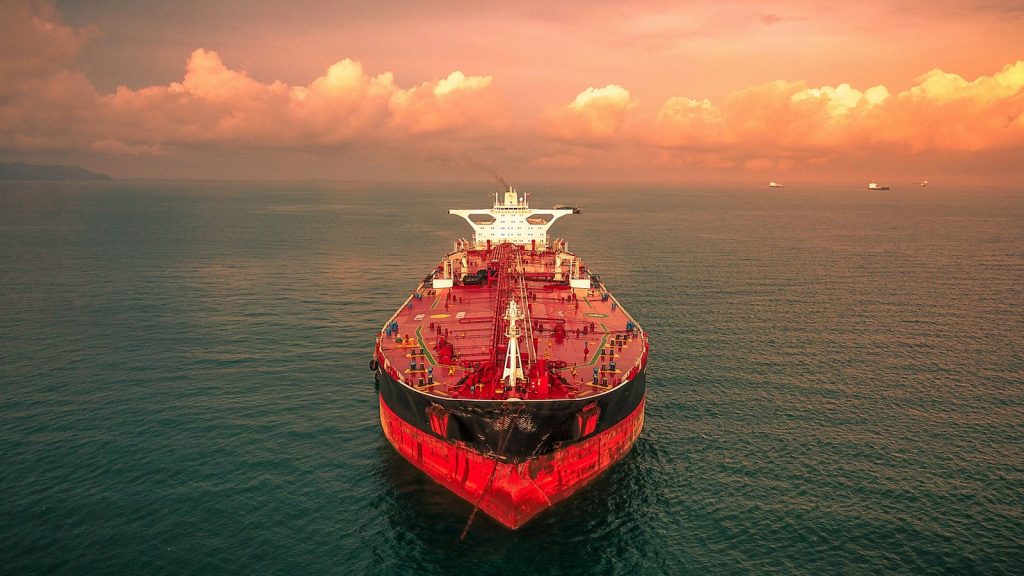
Attacks on merchant shipping in and around the Strait of Hormuz have climbed to their highest level since the war with Iran began in late February. Maritime security firms counted at least 12 ship attacks in the week from September 28 to October 5, the most in any single week of the conflict, and the Panama-flagged tanker Gem No. 2 was struck outside the strait on October 9.
The escalation comes as diplomacy appears stuck and as reports from Washington suggest the Pentagon has told US Central Command to finish preparations for a possible resumption of major combat operations against Iran, with no date set.
How the strait became a chokepoint
Roughly a fifth of the world’s oil normally passes through the narrow waterway between Iran and Oman. Traffic collapsed after the United States and Israel launched strikes on Iran on February 28, and insurers withdrew cover within days, leaving the route technically open but commercially closed.
Since then, the strait has opened and shut repeatedly:
- April 8: a temporary US–Iran ceasefire included a promise to reopen the strait.
- April 13: after talks in Islamabad failed, the US began a naval blockade of Iranian ports.
- May: a short-lived US escort operation and the creation of a new Iranian authority to regulate transit.
- June 17: the Islamabad Memorandum was signed, but Iran declared the strait closed again within days.
- July: the interim truce collapsed after strikes on commercial ships, and the US reinstated its blockade.
- September: Iran announced a prohibited zone around the strait and declared it closed to unauthorized vessels.
Where negotiations stand
On September 25, Iran’s foreign minister, Abbas Araghchi, said reopening the strait depended on Washington; President Trump rejected that proposal. On October 4, parliament speaker Mohammad Bagher Ghalibaf said the strait would stay shut until the US met seven Iranian conditions. An adviser to the Revolutionary Guards added on October 7 that Iran would close routes it considers illegal.
Reporting also indicates there is little expectation in Washington that renewed strikes would force Iran back to the table or restore safe passage, while an Israeli official told Axios the chance of an attack before the US midterm elections was not high but could not be ruled out.
The cost for energy markets
Brent crude traded above $105 a barrel on October 8 after jumping about 5 percent in a day. Saudi Aramco’s chief executive has said around three billion barrels of oil have been lost to the market since the war began and warned that global stocks are alarmingly low and could take two years to rebuild. Partial relief has come from ship-to-ship transfers by ADNOC and Saudi pipeline routes that bypass the strait, but those cannot replace normal flows.
What to watch next
- Any decision in Washington on renewed strikes, and how Iran responds at sea.
- The pace of emergency stock releases coordinated by the International Energy Agency.
- Whether shipping insurers return if attack counts fall.
For market impact, read our latest Finance coverage, and follow developments in our Politics section.