
The cost of the world’s basic foods edged higher again in September. The Food and Agriculture Organization of the United Nations (FAO) reported in early October that its Food Price Index, which tracks international prices for a basket of commonly traded food commodities, averaged 136.0 points last month. That is up 1.5 percent from August and 5.8 percent higher than a year earlier.
Transport disruptions and weather concerns did most of the work, constraining supply just as demand for crop-based commodities firmed.
Category by category
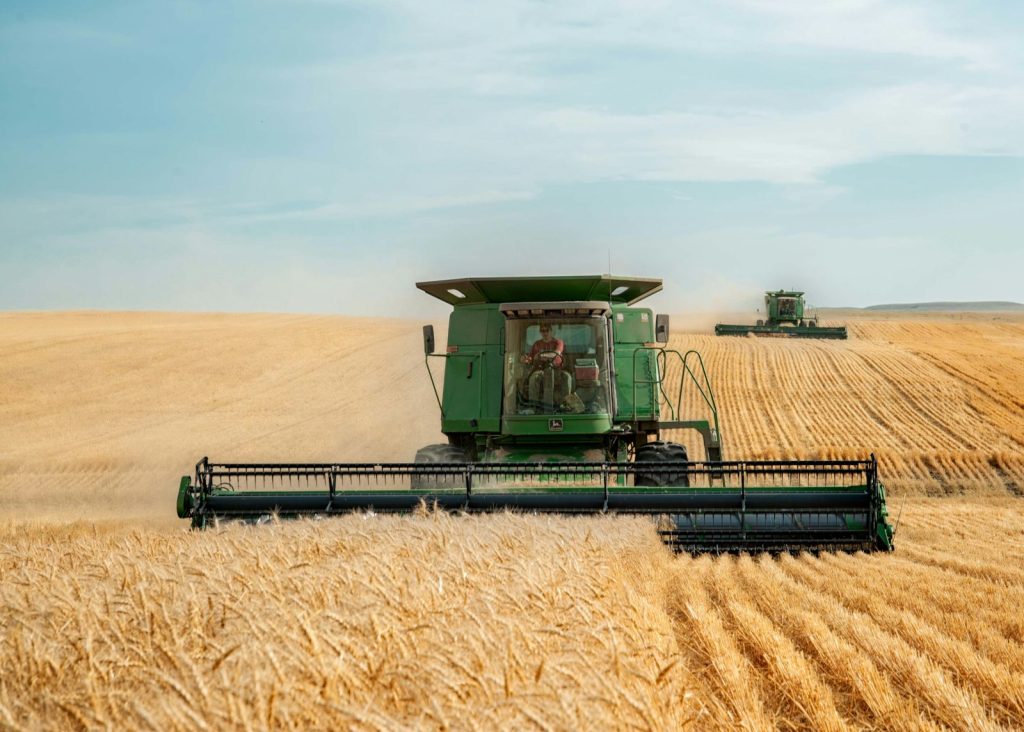
- Cereals: up 5.1 percent on the month and 17.2 percent above September 2025. Wheat prices rose 6.3 percent because of logistics problems in the Black Sea and dry conditions in parts of North America ahead of planting. Maize climbed 5.6 percent on concerns about US yields, smaller Brazilian export supplies and Black Sea trade disruptions.
- Sugar: up 6.1 percent on expectations of tighter supplies in 2026/27, including lower output in Thailand, below-normal rains in India, a strengthening El Niño, heavy rain in Brazil’s main growing region and a smaller European sugar beet area.
- Rice: up 1.4 percent, with Indica varieties lifted by weather concerns and seasonally tighter supplies.
- Vegetable oils: up 0.9 percent, led by palm oil on strong import demand and dry weather in Southeast Asia.
- Meat: down 1.1 percent, as plentiful export supplies pushed down pig and poultry prices, partly offset by firmer Brazilian beef.
- Dairy: down 0.1 percent, with lower cheese prices balancing higher milk powder quotations.
The energy connection
Uncertainty over shipping through the Strait of Hormuz is feeding into food markets in less obvious ways. FAO noted that the disruption supported prices of crops used as biofuel feedstocks, such as maize. Higher fuel costs also raise the expense of planting, harvesting and transporting food, and the war has hit global fertilizer supplies, a risk that could show up in future harvests.
What it means for shoppers
International commodity prices are only one part of what consumers pay. Processing, packaging, transport, retail margins and local currency movements all shape the final price on the shelf, and changes can take months to filter through. Still, a 17 percent annual rise in cereal prices points to upward pressure on bread, pasta, breakfast cereals and animal feed, which eventually affects meat and dairy costs too.
The burden falls hardest on lower-income countries that import much of their food and on households that spend a large share of their income on groceries.
What to watch
- The development of El Niño and its impact on Asian rice and sugar crops.
- Black Sea shipping conditions and northern hemisphere winter wheat planting.
- Fertilizer availability for the next planting season.
For more on food prices and what is on the world’s plates, visit our Food section.