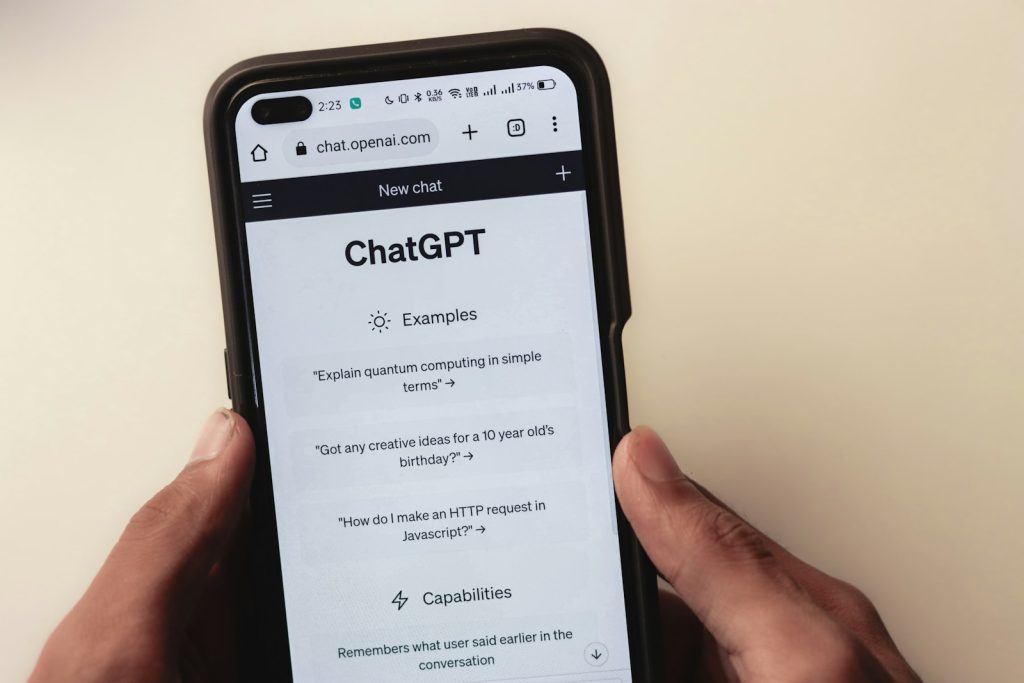
Advertising inside AI assistants has moved from experiment to serious business faster than almost anyone predicted. OpenAI says ads in ChatGPT reached a $1 billion annualized revenue run rate roughly 200 days after testing began in the United States in February. At the end of August, the company opened self-serve ad buying in India, Europe, the Middle East and North Africa, bringing availability to more than 40 countries.
How fast it grew
- February: ad testing begins in the US with about 600 advertisers in the pilot.
- April: the business passes a $100 million annualized run rate within six weeks of launch.
- Late August: run rate reaches about $1 billion, roughly ten times higher in four months.
- September 4: the self-serve Ads Manager opens in India, with a minimum daily budget of about ₹725, or roughly $7.60.
A run rate is a snapshot, calculated by multiplying current monthly revenue by twelve, so it does not mean OpenAI has already booked $1 billion. The company is targeting about $2.5 billion in ad revenue for 2026.
Who sees the ads
Ads appear for users on ChatGPT’s free tier and its lower-priced Go plan, which together account for most of its roughly 1 billion weekly active users.
The ground rules
OpenAI has made three commitments central to its pitch:
- Ads are clearly labelled.
- Ads do not influence ChatGPT’s answers.
- Advertisers cannot access users’ private conversations.
Those promises matter. Trust is the main asset of an AI assistant, and any suspicion that answers are being shaped by paid placements could damage it quickly.
Why small businesses are paying attention
OpenAI says small and medium-sized businesses already make up a material share of its ad revenue. The self-serve approach, low minimum budgets and the ability to reach people at the moment they are researching a purchase make the platform attractive to smaller brands. Observers have compared the strategy to Facebook’s early push to win small advertisers.
Five practical tips for marketers
- Start small and test. Low daily minimums make it easy to run controlled experiments.
- Think in questions, not keywords. People describe problems in full sentences; align offers to those needs.
- Make landing pages answer-ready. Users arrive with specific intent, so clear pricing and details convert better than generic homepages.
- Measure incrementality. Compare results with search and social to see what is genuinely new demand.
- Protect brand safety. Review where and how your ads appear as formats evolve.
What comes next
OpenAI says future phases will add more formats, campaign objectives, buying options and measurement tools. Industry forecasters expect advertising tied to AI-powered search to become one of the fastest-growing channels this decade. Follow the business of attention in our Marketing section.