
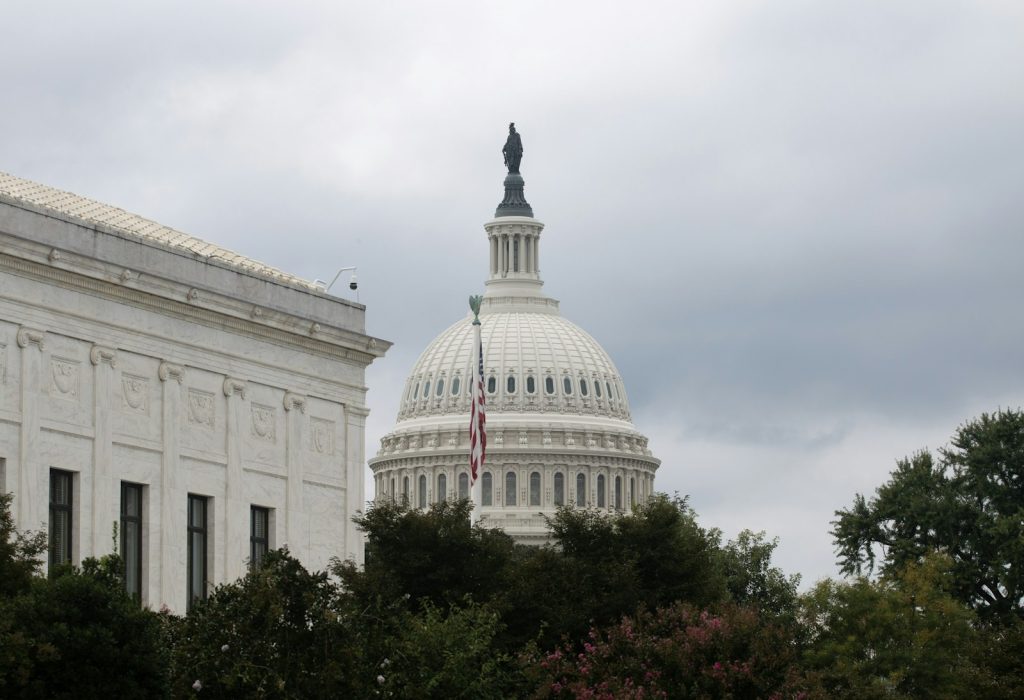
Washington avoided a pre-election shutdown, but the hard choices on US government funding have only been postponed. A short-term continuing resolution (CR) keeps federal agencies running through December 11, 2026. That means the new fiscal year’s spending bills will be written in a lame-duck session after the November 3 midterm elections.
What Congress passed
The House approved the stopgap, H.R. 6500, by 370 to 48 on September 1. President Trump signed it the next day, well ahead of the September 30 deadline.
The bill:
- Extends fiscal 2026 funding levels into fiscal 2027.
- Includes a list of “anomalies”, targeted adjustments that let some programmes spend differently from last year.
- Adds Senate provisions that helped secure bipartisan support.
- Delays until December 11 an Office of Management and Budget rule overhauling the Uniform Guidance for federal grants.
Why it passed so easily
Both parties wanted to avoid a shutdown weeks before voters went to the polls. Last year’s funding standoff, which produced a record shutdown in October and November 2025, was still fresh in lawmakers’ minds. The House also shortened its pre-election session to give members more time to campaign.
The lame-duck agenda
When lawmakers return after the election, they will have about five weeks to decide how to fund the government for the rest of fiscal 2027. Their main options are:
- An omnibus or “minibus” package that bundles the 12 annual appropriations bills.
- Another CR that pushes decisions into early 2027 and hands them to the new Congress.
- A full-year CR that locks in current spending levels until September 30, 2027.
Which path wins will depend heavily on the midterm results. A party that expects to gain power in January has an incentive to delay. A party about to lose control may prefer to lock in its priorities now.
What is at stake
Agencies working under a CR generally cannot start new programmes or increase spending on existing ones. Defence planners, grant recipients and state governments have long warned that repeated stopgaps make planning harder and waste money.
Unresolved fights over health subsidies, border spending and disaster aid could all resurface in December. Another shutdown would hit just before the holidays.
For ongoing coverage of Congress and the midterms, see our Politics section.