
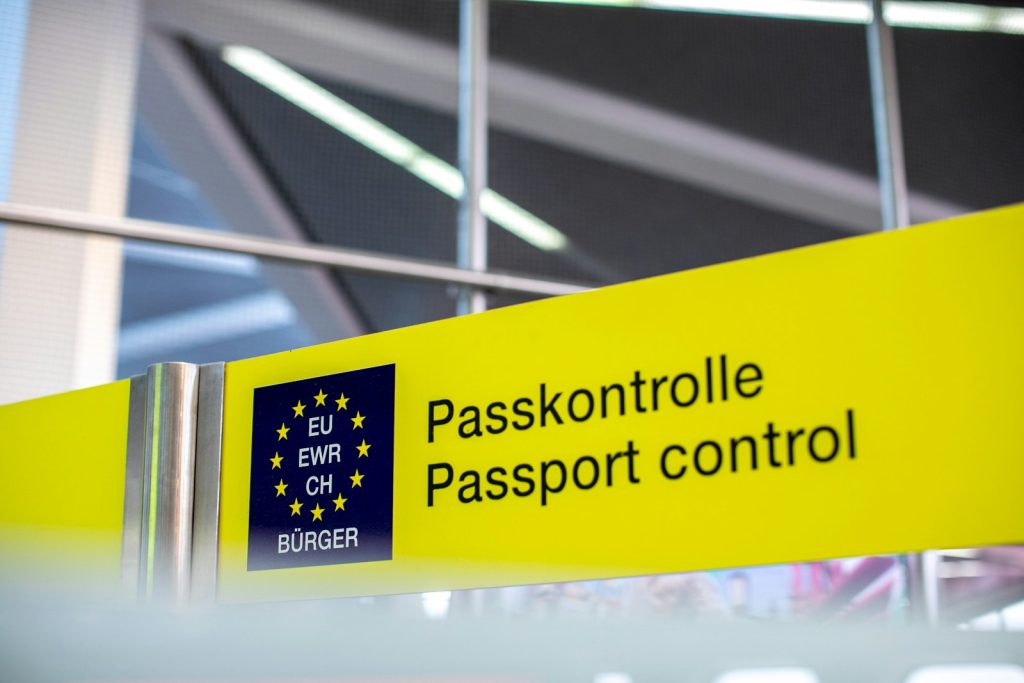
If you have been bracing for Europe’s new travel authorisation, you can relax for now. The European Travel Information and Authorisation System, better known as ETIAS, will not begin operating in 2026 as the EU had planned, and there is still no official start date. The board of eu-LISA, the EU agency building the system, met in late September without publishing a new launch timetable.
What ETIAS is
ETIAS is a pre-travel permit, similar in concept to the US ESTA or the UK’s ETA, for travellers who do not need a visa to visit Europe’s Schengen area. Once live, it will apply to visa-exempt nationalities including citizens of the United States, the United Kingdom, Canada and Australia.
- Cost: €20 per application for adults. Travellers under 18 or over 70 will not pay but will still need an authorisation.
- Coverage: 30 European countries: every EU member except Ireland, plus Iceland, Norway, Liechtenstein and Switzerland.
- Validity: three years, or until the linked passport expires. A new passport means a new application.
- Stays: up to 90 days within any 180-day period.
- Processing: most applications are expected to be approved within minutes, though some could take up to 14 days, or 30 days if an interview is required.
Why the launch keeps slipping
ETIAS depends on the Entry/Exit System (EES), which registers non-EU travellers’ fingerprints and facial images at the border. EES itself was years late and only became fully operational on April 10, 2026, after a phased rollout that began in October 2025. The summer brought serious queues at some crossings, and the EU acknowledged around 20 problem points. Nine countries, including Switzerland, asked for the option to keep suspending biometric checks when needed.
In June, an eu-LISA spokesperson confirmed the start of ETIAS had been discussed, and the Financial Times reported that a launch by the end of 2026 was no longer considered feasible. EU home affairs commissioner Magnus Brunner has blamed part of the delay on national governments, citing staffing shortages, inadequate infrastructure and problems linked to EES.
What travellers should do now
- Nothing, for the moment. No ETIAS applications are being accepted, and current Schengen entry rules remain in force.
- Beware of scams. The EU has warned travellers about unofficial websites charging fees for “applications” that do not yet exist.
- Allow extra time at borders. EES biometric registration can lengthen queues on your first entry.
- Watch for the official announcement. The EU has promised to publish the start date several months before launch, and a transition period of at least six months is planned.
The bottom line
ETIAS is coming, most likely in 2027, but travellers have plenty of notice before it becomes mandatory. When it does, it should be a quick online process for most people. For more on border rules and trip planning, visit our Travel section.